







MUSCAT: The International Day of the Midwife, observed on May 5, celebrates the life-saving role of midwives worldwide. The day is dedicated to recognising their essential contribution to maternal and newborn health.
Midwives serve as primary caregivers for millions of women and newborns before, during, and after childbirth. The observance was established in 1992 by the International Confederation of Midwives to raise awareness about the profession and its importance in healthcare systems globally.
The 2026 theme, 'One Million More Midwives', highlights the urgent global need to expand the midwifery workforce, as many countries continue to face significant shortages. According to UNFPA Arab States, the Arab region — including Oman — is projected to face a shortfall of around 60,000 midwives by 2030.
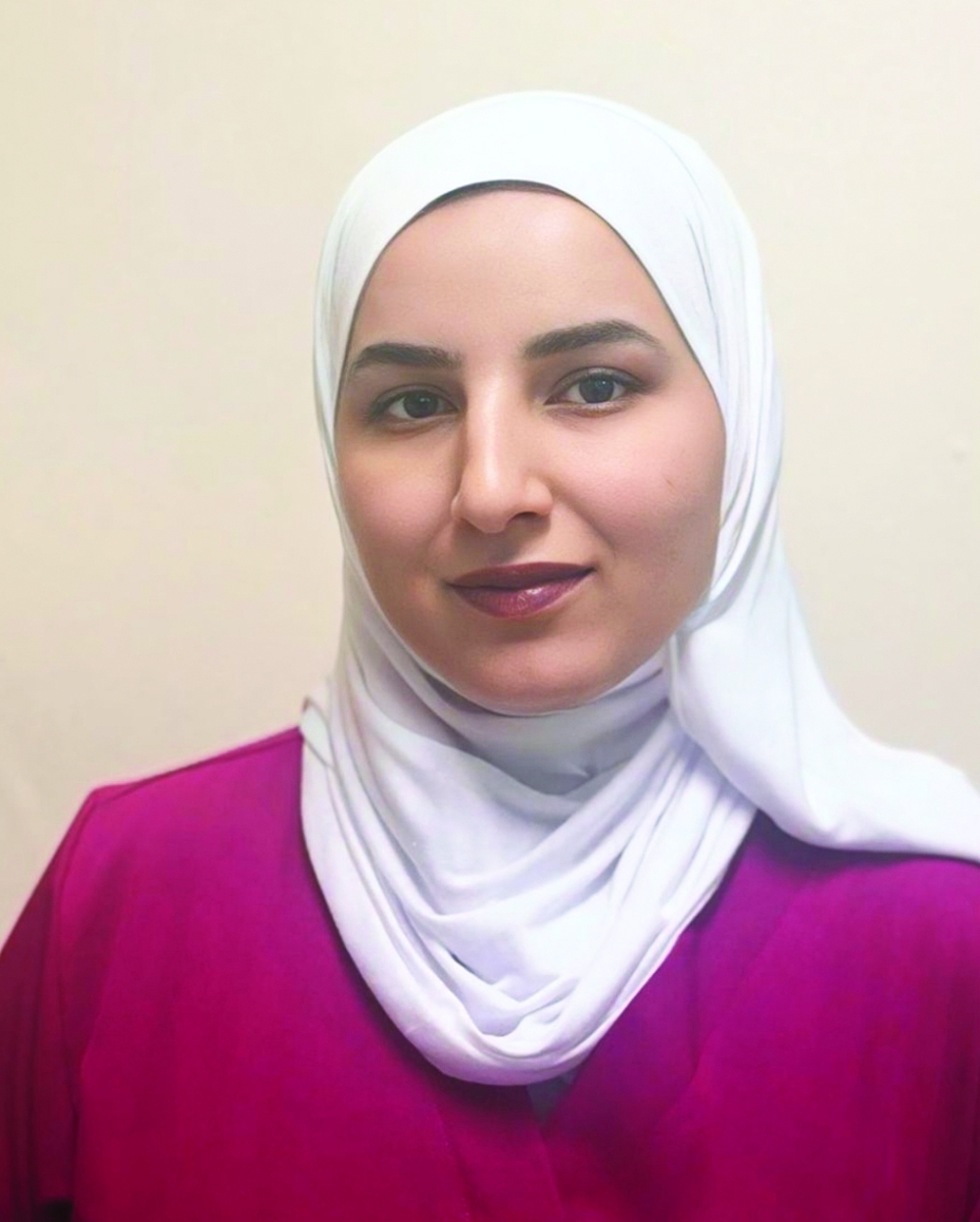
“We look after two lives,” said Intisar al Aghbari, a midwife at the delivery suite of the Royal Hospital.
Midwifery is among the oldest healthcare professions, traditionally playing a vital role in supporting women through pregnancy, childbirth and the postpartum period. In Oman, traditional midwives, known as 'daaya', were deeply rooted in community-based care and cultural practices.
“It is a traditional profession, but now in Oman we have the institute that gives us the latest knowledge in the field,” she said.
The Oman Specialised Nursing Institute (OSNI) has been training specialised nurses, including midwives, since 2001.
Current data indicate that nurses and midwives together account for around 4.8 per 1,000 people in Oman (2021), reflecting a limited workforce density. Studies have also pointed to a significant shortage of midwives, particularly in delivery suites, increasing pressure on existing healthcare staff.
Intisar al Aghbari, who graduated as a certified midwife in 2024, said practical experience has significantly shaped her understanding of the profession.
“A midwife in Oman is still referred to as a nurse, but the role is quite different,” she said. “When you are a midwife, you are a specialist. You are responsible for two lives. You care for the mother from pregnancy through delivery and even afterwards.”
She added that emotional preparedness plays a key role in childbirth outcomes. “If the mother comes with good emotions, one can expect the delivery to be smooth. If she is depressed or exhausted, delivery can be more challenging.”
Midwives also play a crucial role in postpartum care, particularly in identifying and managing postpartum depression.
“Many women go through postpartum depression. While we monitor them in the hospital, once they are discharged, family support becomes very important. A well-supported mother can recover better and care for her baby,” she said.
She cautioned that untreated postpartum depression can, in severe cases, lead to self-harm or harm to the infant, underscoring the importance of early support and awareness.
She noted that while she cannot count the number of mothers she has assisted, the mental and emotional well-being of mothers remains a key priority throughout pregnancy, delivery and recovery — for the safety of both mother and child.
There have also been rare but serious cases where postpartum depression has proved fatal, highlighting the need for stronger awareness, support systems and an adequately staffed midwifery workforce.
Oman Observer is now on the WhatsApp channel. Click here


